
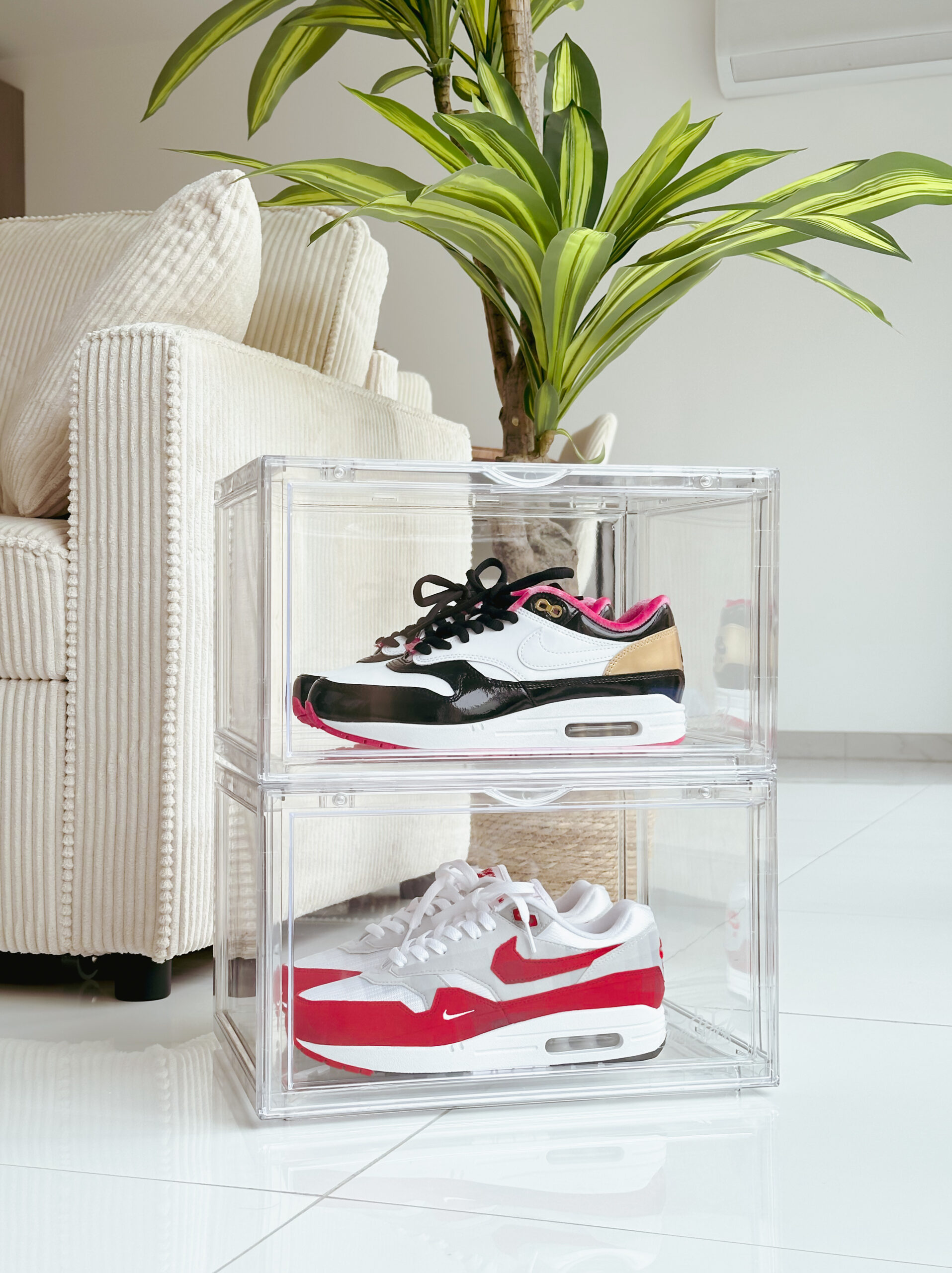
A pile of boxes in the wardrobe is fine – until you are hunting for one pair, crushing another, and wondering why your favourite trainers already look dull. The best shoe storage boxes do more than hide clutter. They protect shape, reduce dust, help control odour, and turn a scattered collection into something that actually looks worth owning.
If you have invested in footwear, generic tubs are rarely the answer. They might stack, but they usually miss the details that matter – visibility, access, airflow, reliable strength, and a finish that does not make your room look like a stock cupboard. For collectors and style-conscious households, good storage needs to work hard on both protection and presentation.
What makes the best shoe storage boxes?
The difference between average and genuinely useful shoe storage is usually obvious within a week. Cheap boxes feel flimsy, the lids shift, stacks lean, and you still end up opening three containers just to find the pair you wanted. A better box fixes those frustrations from the start.
The best shoe storage boxes are clear enough to identify shoes at a glance, sturdy enough to stack without flexing, and easy enough to open that you do not dread reaching the pair at the bottom. That is why drop-front and side-view designs have become such a strong upgrade over old-school lidded boxes. They give you access without dismantling the whole stack, which matters a lot once your collection starts growing.
Protection is the other half of the equation. Dust, dirt, sunlight and damp rooms quietly shorten the life of shoes, especially white trainers, suede pairs and premium leather styles. A proper storage box creates a cleaner, more controlled environment. If the material also filters UV exposure and keeps each pair separate, you are doing far more than tidying up.
Best shoe storage boxes by type
Not every collection needs the same setup. The right choice depends on how many pairs you own, where you keep them, and whether your priority is daily convenience or full display impact.
Stackable drop-front boxes
For most people, this is the smartest all-round option. A stackable drop-front box gives you clean vertical storage and quick access from the front, so you can remove shoes without lifting lids or shifting other boxes. That sounds simple, but it changes the whole experience of using your storage every day.
This format suits trainer collections especially well because it keeps pairs visible, protected and easy to rotate. Magnetic doors are a premium detail worth paying for. They close neatly, feel more secure, and make the unit look sharp rather than flimsy. If you want storage that feels upgraded instead of improvised, this is usually where to start.
Clear side-view display boxes
Some footwear deserves more than basic storage. Side-view boxes work well when shape, colourway and silhouette matter. If you collect limited trainers or statement pairs, seeing the profile from the side often makes more sense than only viewing the toe box from the front.
The trade-off is space planning. Side-view formats can look incredible in a bedroom, dressing room or dedicated trainer wall, but they need a bit more thought in narrower cupboards. They are best for people who want their collection to be part of the room, not hidden away from it.
Front-view clear boxes
Front-view boxes sit in the middle ground between pure storage and full display. They are tidy, practical and usually easier to line up in compact spaces. For mixed households storing trainers, heels and smart shoes together, this style often keeps everything looking consistent.
They are also a strong option if you like a neat, uniform wall of boxes. The look is clean, the shoes stay visible, and it is easy to sort by colour, brand or frequency of wear.
Premium display cases
If you own grail pairs, signed footwear or standout releases, a premium display case makes sense. LED-lit units and 360-degree transparent designs are less about basic organisation and more about showcasing ownership properly. They create a display rather than a storage pile.
This is not necessary for every pair, and that is the point. The best setup is often mixed. Use premium display cases for hero shoes and stackable everyday boxes for the rest. That way you get visual impact without turning every square metre of your home into a showroom.
How to choose the right box for your shoes
Size comes first. High-tops, bulky basketball trainers and larger men’s sizes need more internal room than slim low-tops or heels. A box can look generous in product photos and still feel cramped once you are trying to fit a larger pair inside. Always think about internal dimensions, not just the external footprint.
Material quality matters more than most people expect. Thin plastic clouds over time, scratches easily and can weaken at the corners. A thicker, clearer material holds its shape better and keeps the display looking premium. If you are building a stack, structural strength is not a nice extra – it is essential.
Ventilation is worth considering too. Shoes need protection from dust and grime, but they should not be trapped in stale conditions after wear. If you regularly store pairs soon after using them, make sure they are dry first. Even the best box cannot compensate for damp footwear.
Assembly is another real-world factor. Complicated flat-pack storage sounds acceptable until you are halfway through building ten of them. The best systems click together simply, align properly and feel secure once stacked. Easy assembly is not only about convenience. It also signals better product design.
Why generic boxes usually disappoint
There is a reason so many people replace bargain storage after a few months. Generic boxes are built to be cheap, not to protect or present a collection properly. The plastic is weaker, the joins are less stable, and the finish often looks cloudy or tired almost immediately.
They also tend to ignore how people actually use shoe storage. Lids have to come off completely. Stacks wobble. Sizes are inconsistent. Boxes from one batch do not always match the next. That creates a frustrating setup, especially if you plan to expand over time.
A collector-focused system solves this with compatibility across the range. Matching dimensions, interlocking design and consistent styling make it possible to add more storage without your room looking cobbled together. That modular flexibility is one of the biggest differences between premium and generic options.
Best shoe storage boxes for different homes
If you live in a flat with limited floor space, go vertical. Stackable clear boxes make far better use of wardrobes, alcoves and corners than scattered shelves or floor-level racks. They also keep visual clutter down, which matters in smaller rooms.
If you have a dressing room or dedicated trainer area, display becomes part of the decision. Clear front-view or side-view boxes can create a clean wall effect that looks deliberate and high-end. For households balancing storage and style, that is where premium boxes justify themselves quickly.
For family homes, consistency is key. A storage system that can handle men’s trainers, women’s heels and everyday shoes in one coordinated setup is far more practical than mixing random containers. It keeps spaces cleaner and makes pairs easier to find, especially during busy mornings.
When premium storage is worth it
Not every shoe needs museum treatment. If you own three pairs and rotate them hard, simple storage may be enough. But once your collection grows, or the value of your footwear starts climbing, better storage stops being a luxury and starts being common sense.
Premium boxes earn their place by doing three jobs at once. They protect from dust and daily wear, make access easier, and improve the look of your space. That blend is why more collectors are moving away from hidden storage and choosing systems that feel display-ready from day one.
It also helps if the brand has built the details around real use rather than generic home storage trends. Features like magnetic doors, interlocking stacks, interchangeable sizes and replacement parts support long-term use. That is the sort of thinking that separates a short-term fix from a proper setup. Brands like ShoeStack have pushed that collector-first standard because the market needed something better than flimsy plastic and awkward lids.
The smarter way to build your setup
If you are choosing the best shoe storage boxes, think beyond the first purchase. A system should scale with your collection, not force a complete reset six months later. Start with the pairs you want to protect most, choose a design that suits your space, and make sure you can build on it without losing the clean look.
The strongest setups are the ones you actually enjoy using. When storage is clear, sturdy and easy to access, you wear more of your collection, keep it in better condition, and stop treating good footwear like clutter. That is the standard worth aiming for.
Leave a Reply